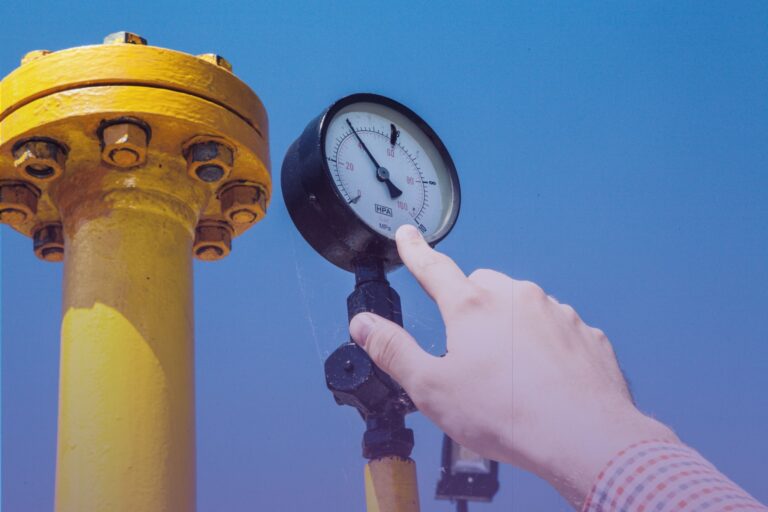
In the natural gas industry, one challenge is often overlooked until it becomes an expensive problem.
flooding can mean
more than equipment failure
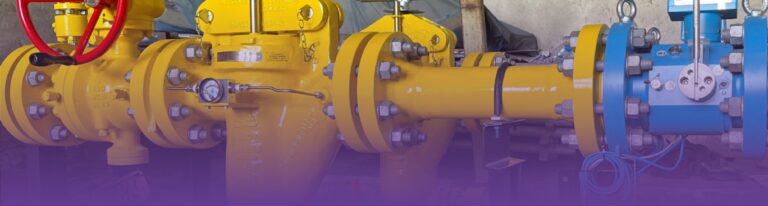
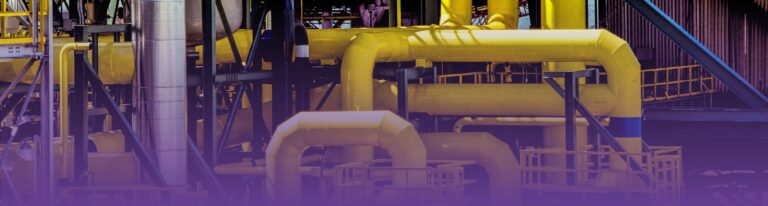
Many gas pressure reduction stations and metering skids are installed in locations that can become flooded after heavy rain or rising groundwater. When this happens, the pressure sensors connected to the data logger may remain underwater for days.
While some pressure sensors are marketed as IP68, the real question is:
Do they still maintain their calibration and measurement accuracy after prolonged immersion?
ingress protection
is only part of the story
In many cases, once water finds its way into the sensor structure, the device may continue operating, but its calibration gradually deteriorates until the measured values are no longer within the required accuracy limits.
This can result in incorrect pressure measurements, unnecessary maintenance, recalibration costs, or even regulatory compliance issues.
At PLUM, we approached the problem differently.
Instead of focusing only on ingress protection, we designed our EPS-W pressure sensors to maintain both mechanical integrity and metrological stability during prolonged immersion.
Our latest laboratory validation subjected the sensors to:
continuous immersion for 14 days,
water depth equivalent to 5 meters,
continuous monitoring using a MacREJ5 data logger.
After two weeks underwater:
no water ingress was detected,
no visible degradation of the sensor sealing or insulation was observed,
the maximum measurement drift remained between −0.0025% FS and −0.005% FS, well within the predefined allowable drift of ±0.02% FS.
The results demonstrated
excellent long-term stability.
keeping electronics
above the flood level
An important distinction should be made. The MacREJ5 and MacBAT5 devices themselves are not IP68. They are typically installed above the expected flood level, while only the EPS-W pressure sensors, connected through cables of up to 10 meters, are installed in areas where flooding may occur.
This architecture protects the electronics while ensuring reliable pressure measurements exactly where they are needed.
already proven
in real installations
Most importantly, this is not just a laboratory concept.
This solution is already being implemented by one of Argentina’s leading natural gas distribution companies, helping protect critical pressure measurements in installations where temporary flooding is a known operational risk.
In critical gas infrastructure, surviving the flood is only part of the challenge. Continuing to measure accurately after the flood is what really matters.
contact us:
get our perspective onelectronics design